Readable pixel art: recognising a figure during play
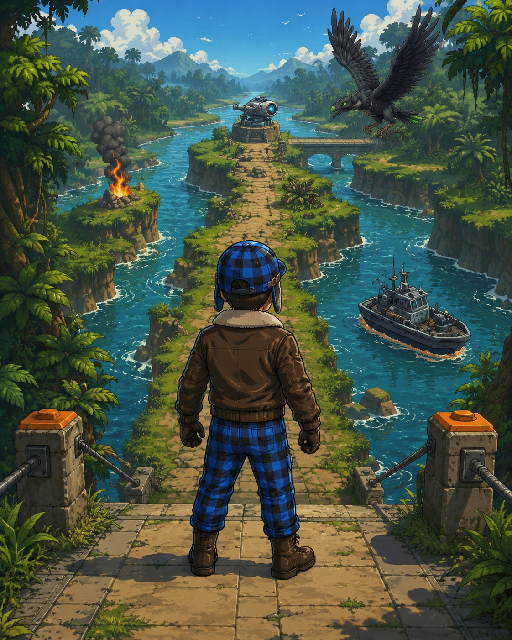
An image that participates in a decision
A sprite can be examined as an illustration, but within a run it also occupies a position, moves, and shares the screen with other figures. Reading it during play means considering which information it retains when appearing along the route.
Review can begin with three questions: whether it stands apart from the background, whether its type can be recognized, and whether its movement can be followed. These are observation criteria, not a universal ranking of styles.
Detail that matters in context
Enlarging an image allows its drawing to be studied, but does not establish how it will look at its size in use. The figure should be examined within a representative scene and during animation. One isolated frame may create a different impression from the complete sequence.
Visual identification also needs to be distinguished from rules. Recognizing an enemy ship does not automatically reveal how many hits it withstands. The image can provide a reference; the object's behavior needs its own explanation.
W3C recommends that color should not be the only means of communicating information, identifying alternatives such as shape and text. [P40] That guidance provides a useful question for game art: which signals remain when color distinction is insufficient?
The ALEXX SkyRider™ families
The Gate describes recurring threats whose artwork may change between Faces. [P40] That continuity allows examination of how a family retains recognizable references while acquiring another visual identity.
Evaluation does not require every figure to look the same. It asks what distinguishes them within a particular situation and which information the pilot still needs. A presentation can be expressive and require contextual adjustments for its function to become clearer.
In ALEXX SkyRider™, the sprite participates in a downward route. Its reading relates to the space it occupies and the action the player prepares. Pixel art's value appears both in the drawing and in the information retained while play continues.
Sources
- P40: www.w3.org