Sounds that inform: from a shot to a warning
Recognize what has just happened
A sound effect can accompany an image and help identify an event. Describing its usefulness requires asking what it means, when it occurs, and which visual information it relates to.
Action confirmation and a warning about a condition have different roles. The first marks something performed; the second draws attention to a situation. Distinguishing them allows a signal to be evaluated through its purpose as well as its sound.
Specific signals in the first arcade
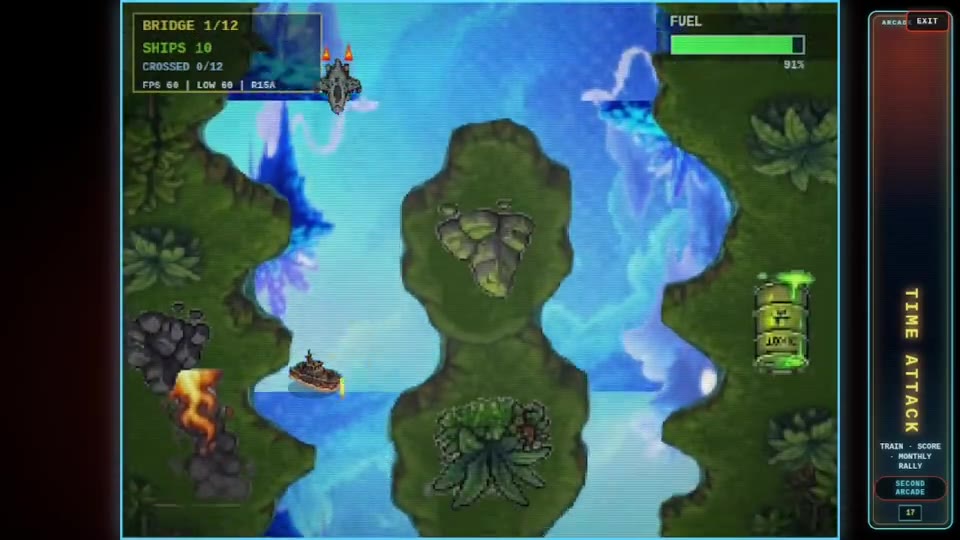
In the inspected Arcade Principal demo, the code links an effect to the creation of a shot and another to the start of acceleration. The energy warning also activates when the reserve falls to a low level. [S44] These are three different situations: an action performed, a change of pace, and a resource needing attention.
Hearing a shot does not, by itself, confirm that a target was hit. A warning does not explain the entire trajectory needed to respond either. The pilot must relate the signal to the visible situation.
An effect can be examined by recording the observed event, recognized sound, and response it prompted. If it is unclear, retain that observation without immediately assigning a cause.
Information through more than one channel
W3C's sensory-characteristics guidance states that instructions should not rely solely on particular signals, including sound. [S44] It is a reference for accessible instructions, not a certification of the game or a requirement for every effect to have an equivalent label.
The practical question is whether the meaning needed for action can be understood when an audio signal is not perceived. That assessment requires examining all available information and the sound's specific role.
In ALEXX SkyRider™, effects and imagery participate in the same route. Understanding their relationship explains what audio confirms, what it warns about, and what the pilot must continue reading. Sound contributes useful information when its meaning can be located within the action.
Sources
- S44: www.w3.org