Playing on an older computer: what a real test can establish
A computer beyond the main setup
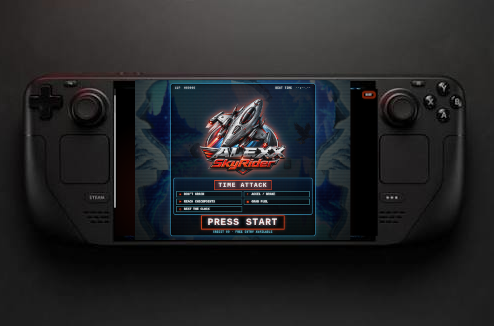
ALEXX SkyRider™'s testing history began to expand when Alejandro wanted to know whether the game could work outside his main Windows computer. The Journal describes a satisfactory playing experience on Linux; the Gate identifies an older Toshiba running Linux Mint among the tested configurations. [H1][H2]
The detail matters because of its specific scope. It introduces another machine into the project's history and documents an experience checked by its creator. On its own, it does not establish minimum requirements or describe every computer that might run the game.
“Older” encompasses very different machines. For an experience to be comparable, it needs more than that label: identification of the computer, operating system, browser, and game version. Without those details, two people may be discussing different conditions even when they describe their computers in the same way.
Three results worth distinguishing
A page that opens, a session that allows play, and a route that is completed are different observations. The first confirms access to content. The second adds response during action. The third describes what happened up to a specific endpoint.
The project's Test Lab method includes controls, audio, fullscreen, pause, and session continuity. [H3] Recording these results separately for an older computer explains both what worked and what was not checked.
A brief record can retain the necessary information:
| Detail | Purpose | |---|---| | Computer model and known configuration | Identify the machine actually used | | Operating system and browser, with versions | Establish the testing environment | | Game version and route | Specify the content that ran | | Controller used | Explain how the game was played | | Duration and point reached | Define the extent of observation | | Audio, pause, and exit results | Describe the experience beyond the opening image |
The record does not require everything to have worked. Its value lies in preserving a description that another test can confirm, extend, or correct.
What the available experience establishes
The reviewed documents place Linux Mint and the older Toshiba within the project's tests, but do not include a complete record here of model, components, browser version, and duration. [H1] The experience is therefore presented as a documented use case rather than a detailed performance measurement.
That distinction preserves the result's value. Playing outside the main computer opened a real possibility for the creator. Knowing the exact conditions would allow a deeper description; these are different levels of documentation.
ALEXX SkyRider™ and the meaning of “tested with”
The Toshiba running Linux Mint holds a specific place in ALEXX SkyRider™'s testing history: it took the project beyond its main computer. [H1][H2] The available record preserves that experience, although it does not reconstruct every detail of the session.
For another player with an older computer, the experience begins by opening the route. Correcting the ship's position, firing, and adjusting speed reveals how the game responds on their own machine. Recording what happened turns that run into another case that can be compared with earlier tests.
Sources
- H1: Project documentation — Portal
- H2: Project documentation — Portal · One game, different computers: what the documented tests reveal
- H3: Project documentation — Portal · How ALEXX SkyRider™ is tested across different systems