Reviewing a recorded run: finding the decision before the mistake
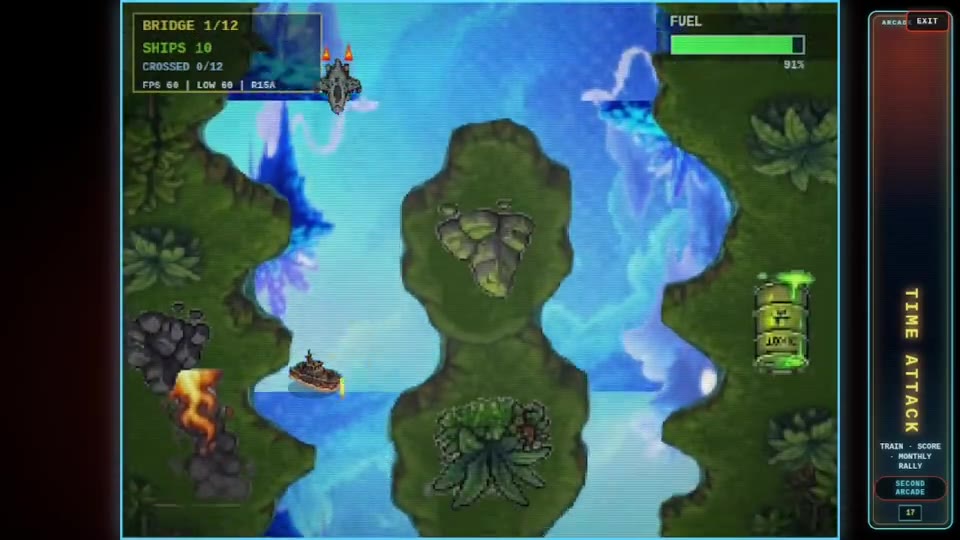
The final image does not tell the whole story
A recording that ends in a collision preserves an obvious outcome. Understanding it also requires interest in what happened earlier: how the ship approached, which space remained available, and when the trajectory changed. Review allows a pause within a sequence that demanded immediate action during play.
The analysis can begin with a short segment. Selecting one approach keeps the question clear and avoids turning review into an inventory of everything that went wrong.
Observe before explaining
First, play the segment without pauses to recognize the overall sequence. Then return to the moment before the error and distinguish three observations: the ship's position, the visible route information, and the change that occurred between them.
“The ship reached the left side while the visible opening was on the right” describes what can be seen. “The player was not paying attention” assigns a cause the image alone does not establish. Preserving that distinction makes the analysis more useful.
The recording does not necessarily confirm which key was pressed or what the pilot intended either. When those details are not recorded, they should remain questions. The visible trajectory is evidence of movement, not a complete account of what happened in the hands.
A record for the next attempt
The segment can be summarized with four entries:
— Time or route reference. — Visible situation before the error. — Observed action of the ship. — One specific adjustment to try.
The adjustment should be describable: preparing a position before reaching the passage, for example. “Play better” is too broad to compare with the next attempt.
Reviewing a successful maneuver is useful too. The contrast may reveal a visible difference in the approach, although it does not yet prove that difference explains the entire outcome. Changes in threats, pace, or starting position between attempts should be recorded.
Review within ALEXX SkyRider™
In the first ALEXX SkyRider™, bridges provide route references: the pilot must destroy and cross them; crossing establishes a checkpoint. [V34] A segment around a bridge allows preparation, attack, and continuation to be examined within a recognizable sequence.
If the analysis focuses on Fuel or TNT, retain the moments when the object was visible and when the decision to approach changed. The Journal documents that some barrels reveal themselves as TNT when approached. [V34] Review needs to consider the information available at each moment, rather than judge the whole maneuver with knowledge of the outcome.
Recording turns a run into material that can be examined calmly. In ALEXX SkyRider™, its value lies in returning to the route with a specific question and an action through which that question can be checked.
Sources
- V34: Project documentation — Portal · Fuel versus TNT: survival means making decisions · Learning the Day Face: a first reading of the route